
The Quiet Beauty of Fenland Landscapes
A Landscape Shaped by Water and Work
Fenland sits low and level, a wide plain of peat and silt where the horizon is drawn by a line of poplars, a raised bank, or the roof of a distant pump house. Most of it lies only a metre or two above sea level, and parts of it lie below it, held dry by dykes, sluices and pumps that work around the clock. The result is a landscape of enormous skies and straight waterways, with fields of black earth between them.
It was not always like this. For centuries this was a maze of shallow meres, reedbed and sedge fen, flooded each winter and loud with birds each summer. Drainage from the seventeenth century onwards turned much of it into farmland, but the wet framework remains: the dykes, the lodes, the washlands and the flood meadows that take the water when the rivers rise.
Visitors often call the Fens empty. Spend an hour at a dyke edge at first light and you will revise that view.
Skies That Carry the Seasons
The birds are the story here, and the sky is the stage. In winter, pink-footed geese arrive in their tens of thousands from Iceland, shifting between roosts on the washes and fields of sugar beet and winter wheat. Whooper and Bewick's swans come down from the Arctic, and the wet grasslands fill with wigeon, teal, golden plover and lapwing. Late afternoon is the hour to watch: as the light drops, hen harriers drift in to roost in the reeds, a ringtail low over the grass or a grey male ghosting past.
Summer changes the cast entirely. Marsh harriers quarter the reedbeds with slow, heavy wingbeats, hobbies chase dragonflies above the washes, and skylarks sing over the drier ground. On still evenings in autumn, starlings gather in murmurations above the reeds, folding and unfolding like something poured from a jug.
Along the Dykes and Droves
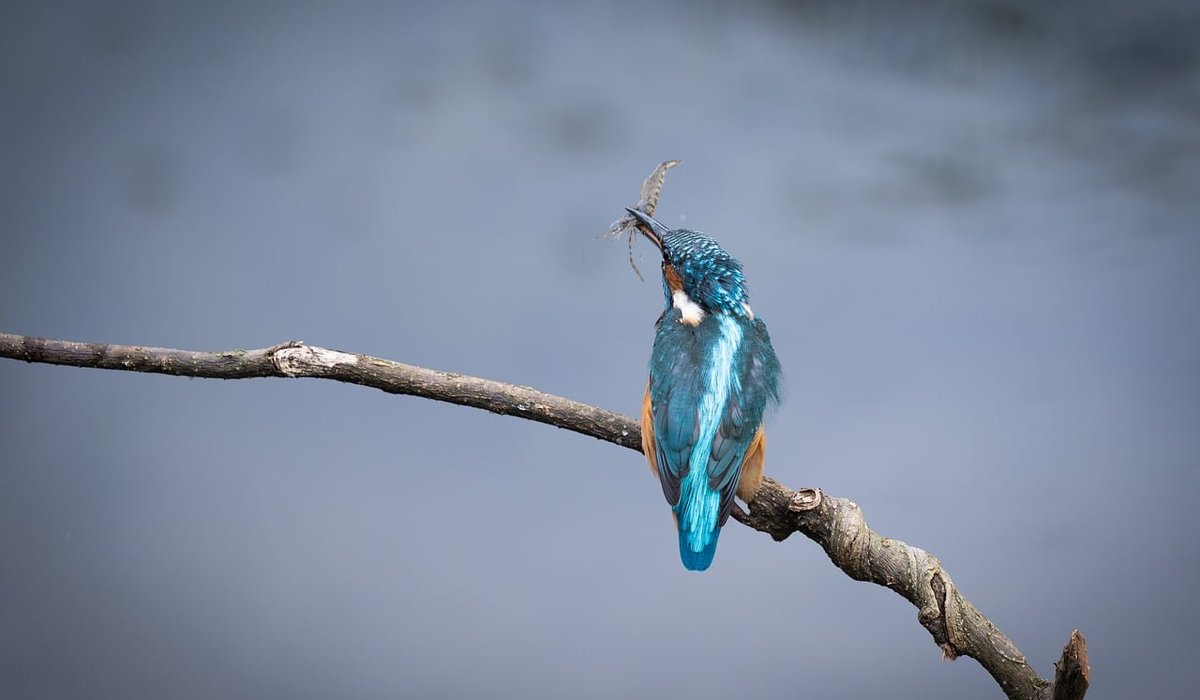
The dykes are the hedgerows of the Fens — wet boundaries that double as wildlife corridors. Look for signs rather than animals: the cropped grass at the mouth of a water vole burrow, otter spraint on a bridge sill, the blue flash of a kingfisher heading downstream. Dragonflies patrol the dykes in high summer, and the fenland specialities, including the Norfolk hawker and the four-spotted chaser, are best looked for on still, warm days.
On the fragments of true fen that survive, the plant life is remarkable: milk parsley, ragged robin, water soldier, and, in the right place at the right time, the swallowtail butterfly. Listen for the pinging call of bearded reedlings deep in the reeds and the scratchy song of sedge warblers along the margins. Keep your feet on the drove. These are fragile places, and the best of them survive because people have been careful.
History Held in the Peat
Peat is a memory. As drained peat shrinks and oxidises it drops, and the land gives up what lay beneath: sunken stumps of ancient oaks, prehistoric trackways, and the pressed remains of reed beds that grew when the sea and the rivers had their own ideas about where the coast should be.
Windpumps still stand on the skyline, some restored, some leaning into the wind. Droves carry names describing what once grew or grazed there. There is a harder history too — the communities who lived by fishing, fowling and cutting sedge, and who resisted a drainage that would change their world for ever, along with the labourers who dug the cuts by hand for a few pence a day.
Walk with a map, or a book of old place names, and read the landscape as an archive.
When to Go, and What to Take
- Winter (November to February) for wildfowl, swan herds and harrier roosts.
- Late spring (May to June) for breeding birds, dragonflies and fen flowers.
- Dawn and dusk for almost everything. Midsummer middays are hot and quiet.
- Wellington boots and a windproof layer. The wind crosses the Fens with nothing to stop it.
- Binoculars of 8x42 or similar, plus a scope if you have one for distant washes.
- A map, and a check on flood and tide conditions before setting out on low-lying droves.
Paths along droves and riverbanks are usually level and easy, but they can be muddy, and some are shared with farm traffic. Dogs belong on a short lead near wet grassland in spring, when lapwings and redshanks are nesting on the ground.
Watching Well, and Watching Quietly
The reedbed is the most fragile habitat in the Fens and the least forgiving of enthusiasm. View roosts from a distance, stay on public rights of way, and resist the temptation to push through reeds for a better angle — the birds you are watching are often already stressed by cold and hunger.
Take your time. Sit on a bank with your back to the wind, let the light change, and note what moves. The quiet beauty of Fenland is not in a tick list but in patience: the slow drift of a harrier, the call of geese somewhere beyond the dyke, and the knowledge that this flat, worked, half-wild place has been shaped by water for longer than anyone can remember.
tag: Countryside Tales

Callum Fraser Author
Choosing and using binoculars can feel daunting. This friendly guide helps beginners enjoy clearer views of wetland and woodland birds.
YOU MAY ALSO LIKE

A Beginner's Guide to Using Binoculars for Birds
Jul 3
10Wetland conservation relies on volunteers. Learn what tasks to expect, how to prepare and where to find local opportunities.
read more
How to Start Conservation Volunteering for Wetlands
Jun 28
10Weather shapes every wetland walk. Read clouds, wind and rainfall to plan safer, more rewarding days out observing nature.
read moreWetland Birds
-

ERRIC CATONA
Learn to tell reed warblers, sedge warblers and bearded tits apart by song, habitat and behaviour on a summer reedbed visit.
May 19, 2016 at 5.12 pm
Reply
ERRIC CATONA
Transform a modest garden corner into a haven for frogs, newts and dragonflies with native plants, shallow edges and safe access.
May 19, 2016 at 5.12 pm
Reply -
ERRIC CATONA
Chalk streams support rare plants and insects, but they need careful management. Discover how local groups protect these fragile waterways.
May 19, 2016 at 5.12 pm
Reply
River Life
Your email address will not be published.