
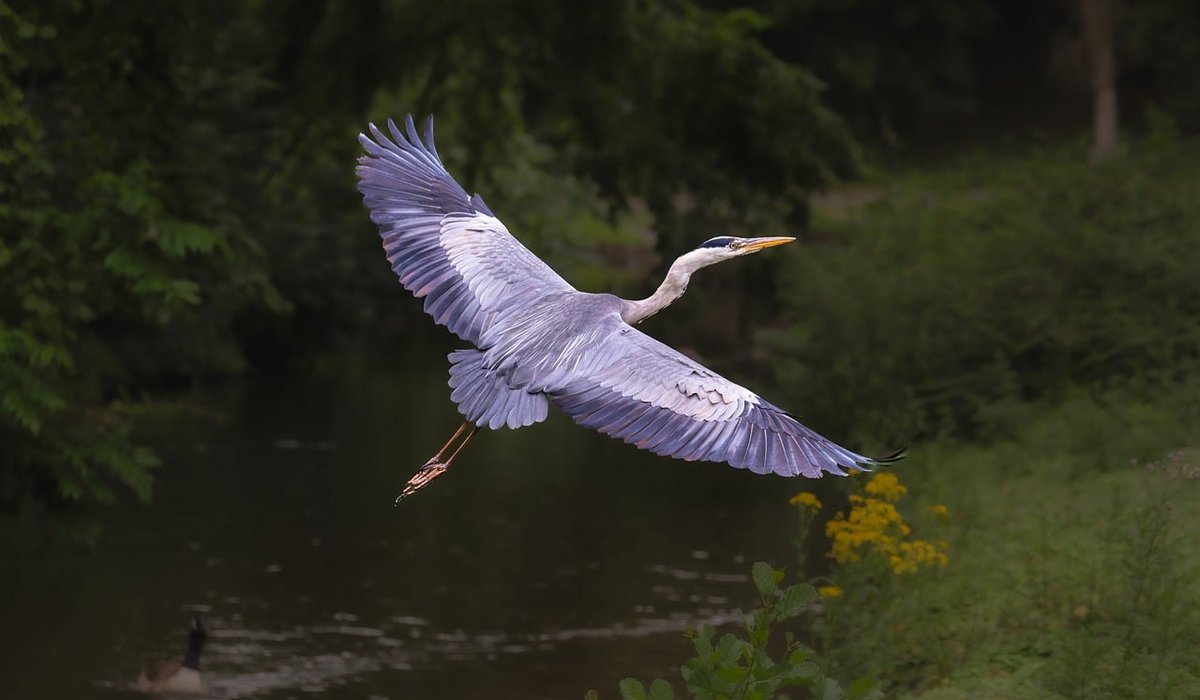
How to Sketch Wildlife in the Field
There is no better place to learn to draw than a British wetland in February, when the light is flat, the reeds are straw-coloured and a grey heron stands motionless for twenty minutes. You will not get a tidy picture. You will get a page of scribbles, a cold nose and a sudden understanding of how a coot sits in the water. That is the whole point.
Pack Light and Stand Still
Field sketching rewards the lazy kit. A5 hardback sketchbook that opens flat, a 2B and a 4B pencil, a small sharpener, a putty rubber. Add a stub of sandpaper block if you like a chisel tip, and a waterproof jacket with decent pockets. Binoculars are fine, but resist the urge to look through them constantly — you are drawing what you see, not what you can identify.
Wear dull colours. Sit on a folded mat or lean against a hide window. The single biggest improvement most beginners make is simply staying in one place for half an hour. Wildlife moves around a stationary observer; it avoids someone crashing along a boardwalk.
Start with Shape, Not Detail
Beginners draw feathers. Experienced sketchers draw the waterline. Before you attempt an eye or a beak, decide what the bird's body actually is: a dark oval, a wedge, a triangle of neck rising from a flat raft of a body. A mute swan is a strong curve and a sloping back. A moorhen is a hunched comma with red on the forehead. A coot is a black blob with a white shield, and that white shape is the thing you must get right.
- Give yourself two minutes per sketch, no more.
- Draw the outline of the silhouette, not the internal detail.
- Check the proportions against the water level — where does the belly sit?
- Repeat the same pose three times on one page. The third will be far better than the first.
Drawing Birds That Refuse to Pose
Herons and cormorants will hold a position long enough to draw properly. Ducks and waders will not. For these, work in gesture: quick, light strokes that capture the angle of the head and the tilt of the body, then leave a gap and draw the next position beside it. You are building a flipbook of shapes rather than a portrait.
Watch for repeated postures. Lapwings do the same three things on a field: stand, peck, sleep. Kingfishers return to the same perch. Find the rhythm and you can predict the pose, which means your pencil is already moving when the bird arrives. Keep a spare corner of the page for the one that got away, drawn from memory within a minute or two, while the shape is still fresh in your head.
Insects, and the Art of Waiting
Dragonflies patrol; they rarely settle. Choose a sunny day with little wind and find a perch — a reed stem, a gate post, a sunlit leaf — then wait. Emperor dragonflies and four-spotted chasers return to favoured spots, and banded demoiselles pose beautifully on waterside vegetation with wings folded. Draw the wings as pale shapes with a couple of lines suggesting the veins; resist drawing every cell.
Use a lighter pencil for insects than for birds, and keep your lines thin and confident. Note the length of the abdomen relative to the thorax, and the position of the legs — they grip, so draw where they touch. If nothing settles, sketch the vegetation instead. The insects will come to you faster than you expect.
Plants Give Your Page a Home
Reeds, bulrushes, marsh marigold, purple loosestrife and alder cones are patient subjects and excellent teachers of structure. A reed is a long line with a subtle curve at the tip; getting that curve right teaches you more about drawing living things than any book. Bulrushes are cylinders that change width as they turn.
Draw plants around your birds, not as decoration but as anchors. A few sterns at the bottom edge of the page give scale and place, and they let you correct a bird's position after it has moved. Look for negative shapes — the triangles of sky between stems — and fill your page with them.
Sketching Through the Year
Winter sketching is quick work: short sessions, bare branches, big flocks of wigeon and teal, cold hands. Carry gloves you can pull off in seconds and warm up indoors afterwards.
Spring brings clear song and busy birds, so practise drawing from sound as well as sight — a reed bunting singing from a stem is a shape and an angle, then a lifted head. Summer is about insects, lush greens and shade; tone becomes more important than line, so hatch lightly. Autumn gives you seed heads, low golden light and arriving migrants, and the reeds turn the colour of tea.
Whatever the season, annotate. Write the date, the weather, the species and any colour notes in the margin as you work. Back home, you can add a wash of tone over your pencil lines, darken the shadow under a belly or sharpen a beak. The field drawing stays loose; the notes make it alive. Keep the sketchbook, and by next winter you will have a record of a wetland that no photograph could match.
tag: Countryside Tales

James Ashworth Author
Muddy prints, chewed twigs and feathers tell stories. Learn to read riverside clues and record your findings in a field notebook.
YOU MAY ALSO LIKE

Reading Tracks and Signs by the River
Aug 24
10Beavers engineer wetlands that benefit fish, amphibians and people. Explore their impact and the debates around reintroduction in Britain.
read more
The Role of Beavers in Wetland Restoration
Aug 18
10Dragonflies reward close observation, but they are easily disturbed. Discover respectful fieldcraft for watching and photographing these aerial hunters.
read moreWetland Birds
-

ERRIC CATONA
Create a simple waterside shelter for insects using hollow stems, logs and leaves. A small bug hotel can support garden biodiversity.
May 19, 2016 at 5.12 pm
Reply
ERRIC CATONA
Follow gentle footpaths through reedbeds, wet meadows and willow carr. This route celebrates quiet marshland wildlife and changing light.
May 19, 2016 at 5.12 pm
Reply -
ERRIC CATONA
Frogs, toads and newts are fascinating pond residents. Learn how to find them humanely and keep your garden pond healthy.
May 19, 2016 at 5.12 pm
Reply
River Life
Your email address will not be published.