
Weather Watching for Wetland Wildlife Walks
Why the Weather Makes the Walk
A wetland is never the same place twice, and the weather is the reason. A still, misty morning over a reedbed gives you a completely different set of sightings from a breezy afternoon after rain. Learning to read the sky, the wind and the water before you pull on your boots turns a pleasant stroll into a genuinely rewarding few hours — and keeps you safe on paths that can vanish under a foot of brown water faster than you would believe. These are the habits I have built up over years of squelching around British marshes, fens, gravel pits and estuaries, and they cost nothing but a little attention.
Reading the Sky Before You Leave the House
Start with the pressure. A barometer falling below about 1000 hPa usually means unsettled weather arriving within a day, often with strengthening wind and heavy showers. Rising pressure brings calmer, clearer conditions — excellent for spotting, but often colder at dawn and prone to fog in autumn and winter.
Clouds tell you what is coming and, usefully, what the wildlife is doing:
- Flat, grey stratocumulus — dull light, no strong shadows, brilliant for watching waterfowl without glare off the water.
- Towering cumulus and cumulonimbus — heavy showers and possible thunder. Avoid open boardwalks and hides on stilts; lightning loves a lone tall structure.
- High, wispy cirrus — often the leading edge of a warm front. Expect rain within 12 to 24 hours.
- Low, ragged cloud with a stiff southerly — classic conditions for hirundines and swifts feeding low over the water, hoovering up insects pushed down by the falling pressure.
If the swallows are flying at knee height, rain is close. If they are up high, you have time.
Wind: Your Quiet Guide to Hides and Hedgerows
Wind direction shapes where birds sit and where you should stand. Almost every creature on a wetland will seek the lee side of a reedbed, hedge or bank, so walk into the wind to approach a hide and you will disturb far less. A breeze of 10 to 15 mph puts a pleasant chop on open water and pushes food along the windward shore — look there for gathering wildfowl, gulls and waders.
Above roughly 20 mph, spotting scopes shake and small birds go to ground. Plan a shorter, sheltered route instead: a path through carr woodland, a tree-lined lane or a hide with a windbreak. Note also that cold easterlies in late winter can drive waterfowl off exposed flashes and into tucked-away corners, so a reserve you know well can feel empty on one side and crowded on the other.
Fog and mist are the gift nobody expects. On a calm, clear, cold night after rain, radiation fog forms in valleys and around water. Get there early and you may hear bearded tits pinging in the reeds or the boom of a bittern long before you see anything at all.
Rain, Flood and the Moving Edge of Water
Heavy rain raises levels quickly. A stream you stepped over on the way out can be a knee-deep torrent an hour later, and many wetland paths sit below the surrounding water table. Check local river levels and flood warnings before setting off, and always have a turnaround point in mind. If a path is under water, it is under water — no shortcut across a flooded boardwalk is worth the risk.
The rewards after rain are real, though. Damp evenings bring out frogs, toads and newts, and earthworms surface onto paths where badgers, foxes and hedgehogs forage. Ditches and scrapes fill, pulling in teal, snipe and jack snipe. Conversely, a long dry spell shrinks the water and concentrates everything into a few remaining pools — superb for watching, but a reminder of how fragile these places are.
Seasons, Tides and the Wildlife Calendar
Timing matters as much as the forecast. Winter brings ice, and the first hard freeze pushes wildfowl onto any open water, often in spectacular numbers. Spring is the loudest season: dawn is roughly two hours before most people arrive, and a still, mild morning after a light frost delivers the best chorus. Summer heat builds haze by mid-morning, so aim for first light, then retreat to shade as dragonflies take over. Autumn gales bring waders and wildfowl in on the back of weather systems — a day or two after a strong north-westerly is often the best birding of the year.
On the coast, add tide to the equation. Two hours either side of high water is when waders are pushed closest to the shore and easy to watch. A rising tide on an exposed mudflat is not a place to linger.
Practical Kit and Timings
- Check three things before you go: the forecast wind speed and direction, the rainfall radar, and any flood or tide warnings.
- Dress for wet feet, not dry weather. Wellies or waterproof boots, plus a light waterproof shell that packs small.
- Binoculars stay clearer in rain with a lens cloth and a hood or umbrella — a scope is worth carrying only when winds are below about 15 mph.
- Walk into the wind, return with it. You will see more and smell less to the wildlife.
- Tell someone your route and expected return, particularly in winter when daylight goes by half past four.
- Leave no trace: stay on paths, keep dogs close and out of the water in spring, and take everything home.
Do this a few times and you will start to feel the weather as part of the walk rather than an obstacle to it — and the wetlands will quietly repay you for the trouble.
tag: Nature Walks

James Ashworth Author
Learn to tell reed warblers, sedge warblers and bearded tits apart by song, habitat and behaviour on a summer reedbed visit.
YOU MAY ALSO LIKE

How to Identify Common British Reedbed Birds
Sep 24
10Transform a modest garden corner into a haven for frogs, newts and dragonflies with native plants, shallow edges and safe access.
read more
Creating a Wildlife Pond in a Small Garden
Sep 20
10Chalk streams support rare plants and insects, but they need careful management. Discover how local groups protect these fragile waterways.
read moreWetland Birds
-

ERRIC CATONA
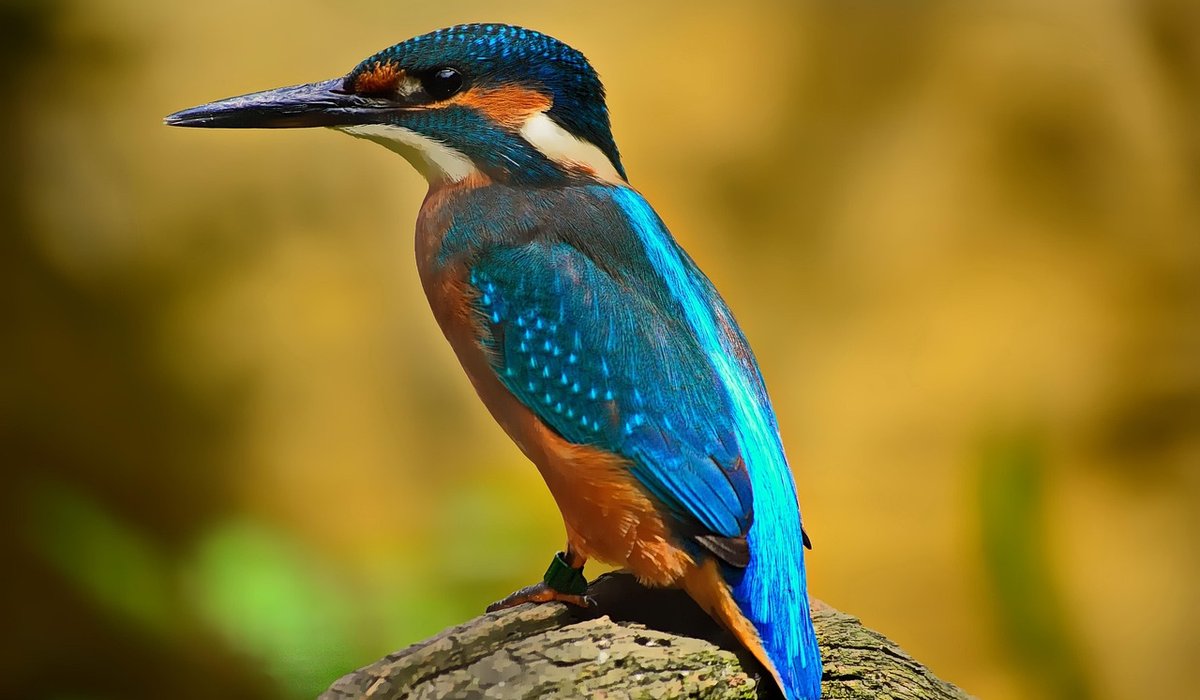
Kingfishers flash along quiet rivers at dawn. Use patience, a concealed viewpoint and a keen ear to enjoy these brilliant birds.
May 19, 2016 at 5.12 pm
Reply
ERRIC CATONA
Water voles leave distinctive latrines and burrows along banks. Find out how to spot signs without disturbing these declining mammals.
May 19, 2016 at 5.12 pm
Reply -
ERRIC CATONA
Reed beds provide shelter and food for migrating birds. Understand their role and how to watch migrants without causing stress.
May 19, 2016 at 5.12 pm
Reply
River Life
Your email address will not be published.