
Understanding River Conservation Along Chalk Streams
Chalk streams are among the rarest habitats on Earth. England holds most of them, from Hampshire and Dorset to Wiltshire, Berkshire, Buckinghamshire, Hertfordshire and Norfolk. They rise from chalk aquifers as clear, cold, mineral-rich water. But their beauty hides fragility. Conservation along chalk streams is rarely dramatic. It is patient, local and practical, carried out by people who know every riffle and bend.
What Makes a Chalk Stream So Special
Rain falling on chalk downs takes time to filter underground. By the time it emerges at a spring, it is cool, clean and rich in calcium. That steady temperature and flow support plants and animals found in few other places. Water crowfoot streams in the current. Water starwort and brooklime fringe the margins. Beneath the surface, mayfly, caddisfly and stonefly larvae graze on algae and leaf litter, while brown trout, grayling, brook lamprey and bullhead find shelter in the gravel.
Above the water, kingfishers flash between branches, grey wagtails bob on stones, and otters leave spraints on favourite ledges. Water voles may still be found where banks are soft enough for burrows. These streams are not just wildlife corridors. They are living filters, sponges and cooling systems for the wider landscape.
The Pressures on These Fragile Waterways
Chalk streams face a combination of old and new problems. Abstraction for public water supply and irrigation can lower flows, especially after dry winters. Drought and a changing climate make those low flows more frequent. Nutrients from treated sewage and farmland run-off encourage algae, which smothers gravels and reduces oxygen. Fine sediment from soil erosion, roads and urban drainage clogs the spaces between stones where insects and fish eggs develop.
Many chalk streams have also been physically altered. Straightening, dredging and embanking have removed the pools, riffles and shallow margins that wildlife needs. Weirs and culverts block migration. Invasive species add further pressure:
- Signal crayfish carry a disease that harms native white-clawed crayfish.
- Himalayan balsam crowds banks and dies back in winter, leaving bare soil to erode.
- American mink prey on water voles and other riverside wildlife.
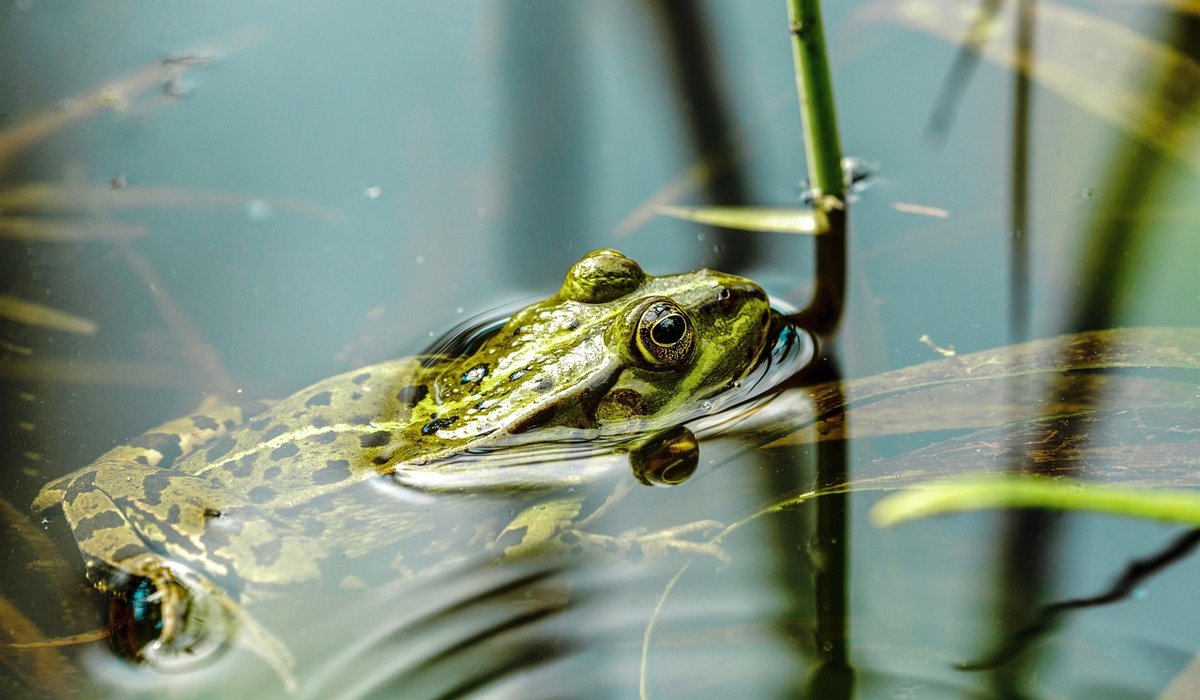
The result is a stream that may look lovely in a photograph but is running short of the complexity that makes it resilient.
How Local Groups Protect Chalk Streams
Across the chalk counties, much of the work is done by catchment partnerships, rivers trusts, angling clubs, parish councils and volunteers. Their first task is often to watch and measure. Riverfly monitoring groups take kick samples from the stream bed, count mayfly, caddisfly and stonefly larvae, and record the results. Because these insects are sensitive to pollution, a sudden drop can alert the group to a problem long before it is visible from the bank.
Restoration follows the evidence. A stretch with a flat, silty bed may need gravel reintroduction and new riffles. A bank trampled by livestock may benefit from fencing, a drinking trough and a hard crossing. Where banks are eroding, willow spiling or coir rolls can hold the soil while native plants establish. Removing a small weir or adding a fish pass can reconnect miles of habitat. Tree planting can provide shade and leaf litter, but it must be done carefully; too much shade can suppress the in-stream plants that chalk streams depend on.
Invasive species work is equally practical. Volunteers pull Himalayan balsam before it sets seed. Mink rafts help detect mink so that water vole colonies can be protected. Signal crayfish are far harder to remove, so groups focus on preventing their spread.
Working with Farmers and Landowners
Most chalk streams flow through private land, so conservation depends on trust and cooperation. Advisers work with farmers to create buffer strips beside ditches and streams, plant cover crops, reduce fertiliser use and install silt traps. Field corners can become wet woodland or rough grassland. Livestock can be moved to alternative water supplies, keeping banks firm and vegetation tall.
Natural flood management also has a role. Leaky dams, wooded gullies and restored meanders slow the flow after heavy rain, allowing water to filter into the ground rather than race downstream. This does not solve abstraction, but it can reduce the flashy spates that scour gravel and wash away insects. Local groups often act as honest brokers, bringing together landowners, water managers, parish councils and wildlife recorders.
What You Can Do in Your Own Patch
You do not need to be a hydrologist to help a chalk stream. Everyday choices and local volunteering add up.
- Join your nearest river group and offer a few hours for litter picks, balsam bashing or survey work.
- Train as a riverfly monitor. The method is simple and the data is valuable.
- Report pollution, fish kills or sudden discolouration to your local river group or the pollution hotline.
- Use water wisely in summer, when chalk streams are most vulnerable. Fix leaks and take shorter showers.
- Avoid garden chemicals, and never tip paint, oil or garden waste into drains that lead to a stream.
- Keep dogs out of spawning gravels in autumn and winter.
Chalk streams have a long memory. Damage done over decades will not heal in a season, but with cleaner water, higher flows and careful management, they can recover. The people who protect them are often quiet, muddy and persistent. That is exactly what a chalk stream needs.
tag: River Life

James Ashworth Author
Kingfishers flash along quiet rivers at dawn. Use patience, a concealed viewpoint and a keen ear to enjoy these brilliant birds.
YOU MAY ALSO LIKE

Spotting Kingfishers on a Slow River
Sep 13
10Water voles leave distinctive latrines and burrows along banks. Find out how to spot signs without disturbing these declining mammals.
read more
The Secret Life of Water Voles
Sep 7
10Reed beds provide shelter and food for migrating birds. Understand their role and how to watch migrants without causing stress.
read moreWetland Birds
-

ERRIC CATONA
From purple loosestrife to yellow iris, wetland wildflowers change through the seasons. Use this guide to identify common species responsibly.
May 19, 2016 at 5.12 pm
Reply
ERRIC CATONA
Capture the character of birds, insects and plants with simple pencil techniques. Build confidence by sketching outdoors throughout the year.
May 19, 2016 at 5.12 pm
Reply -
ERRIC CATONA
Muddy prints, chewed twigs and feathers tell stories. Learn to read riverside clues and record your findings in a field notebook.
May 19, 2016 at 5.12 pm
Reply
River Life
Your email address will not be published.