
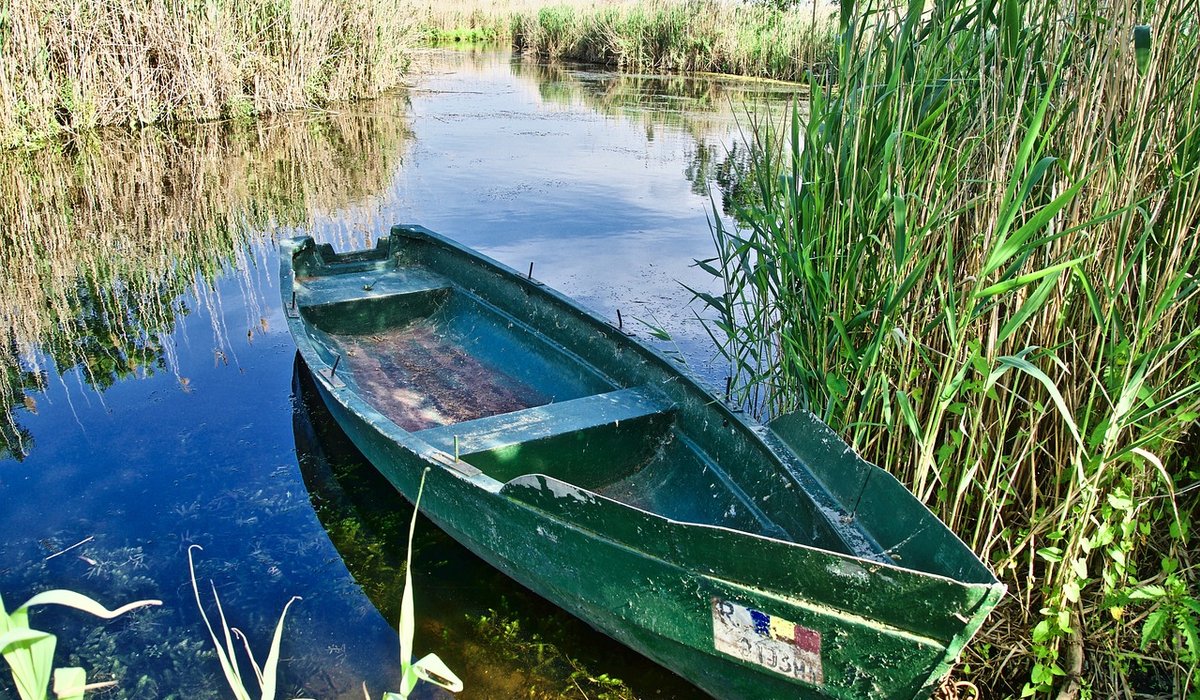
Creating a Wildlife Pond in a Small Garden
Why a pond earns its space
Of all the things you can add to a modest British garden, a pond gives back the most for the least. Our lowland wetlands — the marshes, fens and old clay pits where frogs once chorused in their thousands — have been drained, built on or quietly abandoned. Gardens have taken up some of the slack. A pond no bigger than a dining table can pull in common frogs, smooth and palmate newts, diving beetles, water boatmen and a shifting cast of dragonflies and damselflies. Dig one this spring and you may well have spawn next March and a broad-bodied chaser sunning itself on a warm stone by July.
The secret is not size. It is shallows, native plants and a way in and out. Get those three right in a corner four feet square and the wildlife will do the rest.
Choosing the right spot
Site comes before spade work, and a little thought now saves a great deal of regret later.
- Sunlight: aim for at least half a day of direct sun. Dragonflies need it to hunt and warm up, and most aquatic plants sulk in shade.
- Trees: keep clear of overhanging branches. Fallen leaves rot down and turn the water sour, and roots will eventually find a liner.
- Level ground: check with a spirit level before you dig. A pond that sits proud on one side looks untidy and leaves the liner edge exposed.
- Run-off: avoid the bottom of a slope beneath a patio, driveway or treated decking. Anything washing in — including weedkiller — ends up in the water.
- Visibility: put it where you can see it from a kitchen or living-room window. You will notice far more, and problems get spotted early.
A pond of roughly two metres by one and a half is ample for frogs and newts. Half barrels work beautifully for insects and damselflies, but they rarely hold newts, which need plants and depth to see out the winter.
Shape and depth
Think of a natural pond, not a garden feature. The best wildlife ponds are shallow at the edges and deeper in the middle, with no steep walls anywhere. Aim for a central depth of 60–80cm — deep enough that frogs and newts can overwinter in the mud without the pond freezing solid, but shallow enough to warm quickly in spring, which is what triggers spawning.
Around that centre, build shelves. One broad beach sloping gently from the water's edge is worth more than any ornament: birds will bathe there, frogs will spawn in the warm film of water over it, and anything that tumbles in can walk out again. Add a second shelf at around 20–30cm for marginal plants in baskets.
Line the hole with butyl rubber over a generous fleece underlay, and allow plenty of overlap — measure the longest length, add twice the maximum depth, then add another 50cm for the edges. Tuck the liner under turf or paving so it disappears, and try to avoid a rigid, geometric outline. An irregular curve reads as natural and gives you more edge, which is where the life is.
Planting with British natives
Plants do the filtering, the sheltering and much of the feeding. Native species are the ones our insects and amphibians evolved alongside, so favour them over brightly coloured imports.
- Marginals for the shelves: marsh marigold, water forget-me-not, brooklime, water mint, lesser spearwort and ragged robin. Yellow flag iris is lovely but vigorous — keep it in a basket and divide it every couple of years.
- Oxygenators: hornwort, water starwort and water crowfoot. These live entirely underwater and keep the water clear. Newts wrap their eggs in their leaves.
- Floating and surface: a dwarf water lily in a small pond gives shade and somewhere for dragonfly larvae to clamber out. Aim to cover no more than half the surface by midsummer.
Plant into baskets of plain loam with no fertiliser, topped with gravel so fish — or blackbirds — do not scatter it. Then there are the plants to refuse: New Zealand pygmyweed, floating pennywort, water fern and water hyacinth are all invasive and must never be introduced. Nor should you take plants, spawn or newts from the wild or from someone else's pond. Disease and invasive fragments travel with them, and great crested newts are legally protected.
Safe access for wildlife and small people
Every creature that visits a pond can fall in, and a steep-sided pond becomes a trap. A half-submerged log, a gently sloping shingle beach or a strip of roughed-up liner covered in stones all give a way out. Hedgehogs, fledglings and exhausted bees will all use them. Keep one section of the edge soft and planted rather than walled, so frogs and toads can come and go as they please.
If there are toddlers about, a rigid mesh grid fixed a few centimetres above the water is the usual compromise: wildlife passes through, children cannot. Otherwise, fence the pond or wait a few years. No pond is worth an accident.
The first year and beyond
- Fill with rainwater from a butt, not tap water, and top up the same way through dry spells.
- Never add fish. They eat spawn, tadpoles and larvae, and they turn clear water green.
- Leave the margins standing over winter. Seed heads feed birds and insects overwinter in the hollow stems.
- Thin oxygenators with a rake in late summer, but leave the pile on the edge overnight so anything caught up can crawl back.
- Skip the autumn tidy-up. A little leaf litter and dead plant matter is habitat, not mess.
Expect the pond to look slightly cloudy for a few weeks while it finds its balance, and expect to spend the first summer simply watching. By the second year you will have a self-willed little wetland — noisy on mild February nights, busy with damselflies in June, and quietly doing its bit for a countryside that needs all the help it can get.
tag: Conservation

James Ashworth Author
Chalk streams support rare plants and insects, but they need careful management. Discover how local groups protect these fragile waterways.
YOU MAY ALSO LIKE

Understanding River Conservation Along Chalk Streams
Sep 15
10Kingfishers flash along quiet rivers at dawn. Use patience, a concealed viewpoint and a keen ear to enjoy these brilliant birds.
read more
Spotting Kingfishers on a Slow River
Sep 13
10Water voles leave distinctive latrines and burrows along banks. Find out how to spot signs without disturbing these declining mammals.
read moreWetland Birds
-

ERRIC CATONA
Reed beds provide shelter and food for migrating birds. Understand their role and how to watch migrants without causing stress.
May 19, 2016 at 5.12 pm
Reply
ERRIC CATONA
From purple loosestrife to yellow iris, wetland wildflowers change through the seasons. Use this guide to identify common species responsibly.
May 19, 2016 at 5.12 pm
Reply -
ERRIC CATONA
Capture the character of birds, insects and plants with simple pencil techniques. Build confidence by sketching outdoors throughout the year.
May 19, 2016 at 5.12 pm
Reply
River Life
Your email address will not be published.