
Why Reed Beds Matter for Migrating Birds
Why reed beds are a lifeline for tired migrants
Reed beds are one of Britain's most valuable but least understood habitats. Stands of common reed (Phragmites australis) form a dense, vertical world that is neither land nor open water. For birds on migration, that in-between quality is exactly what makes it so important. After a long flight across the North Sea or up the English Channel, a migrant needs safe shelter, reliable food, and a place to rest without being picked off by predators. Reed beds offer all three. The stems break the wind, the deep litter layer holds insects, and the dense structure hides birds from sparrowhawks and other hunters. It is no exaggeration to say that some reed beds act as vital service stations on the east and south coasts, especially during spring and autumn passage.
What to look for through the seasons
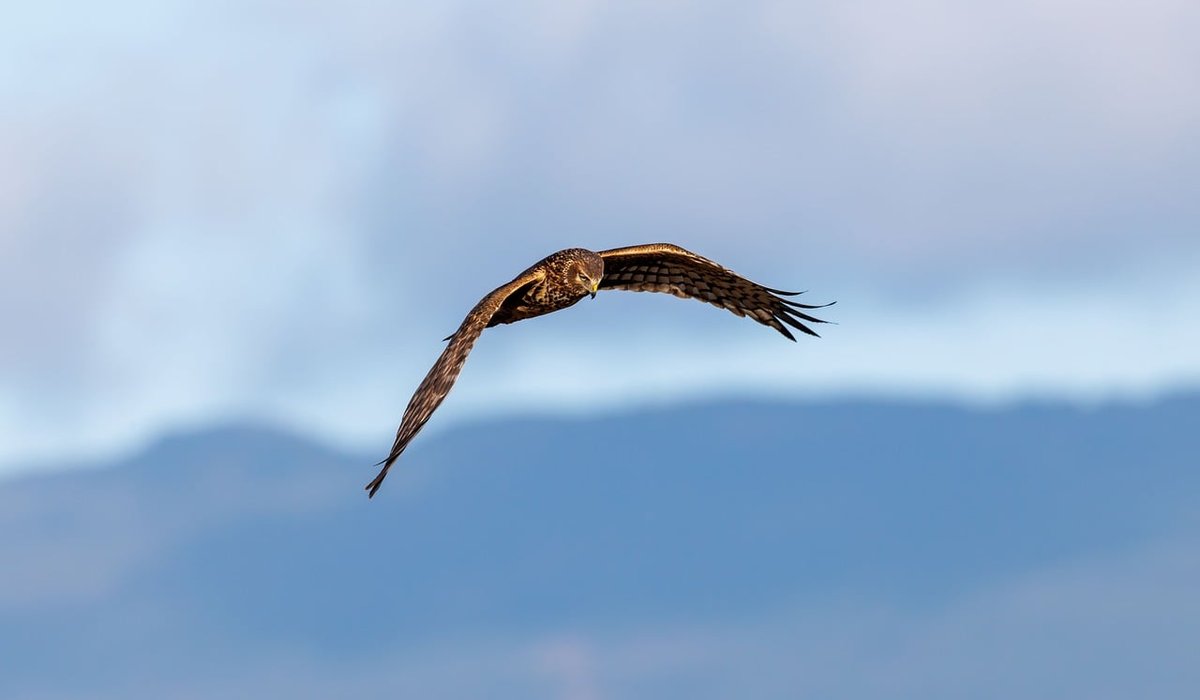
Spring is when reed beds come alive with sound. Sedge warblers arrive first, often singing from the tops of last year's stems before the new growth has even unfurled. Reed warblers follow, their rhythmic, chattering song rising from deep within the stand. You may also hear the explosive song of a Cetti's warbler, a species that has spread northwards in recent decades. By late spring, the reeds are a nursery as well as a stopover, with reed warblers nesting and cuckoos seeking out their nests. Autumn is different. The warblers slip away southwards, but reed beds become a staging post for swallows and sand martins. On still evenings, hundreds or even thousands of these birds funnel into the reeds to roost, chattering and fluttering before dropping into the stems. It is one of the great spectacles of British wetland wildlife, and it happens on quiet reserves that few people visit at dusk. Winter brings its own arrivals. Bitterns, those masterful, secretive herons, move in from the continent to spend the colder months hunting fish and amphibians among the reed stems. Hen harriers and marsh harriers may quarter the reeds at dusk, and bearded tits, or reedlings, flit over the tops like tiny, long-tailed ping-pong balls.
Reading the reeds: behaviour clues
Reed beds can seem impenetrable, but they reward patience. Learn to read the signs. A trembling stem near the waterline often means a reed warbler or a water rail is moving below. A loud, mechanical "ping" calls from deep cover is a bearded tit, while a booming, foghorn-like sound in late winter or early spring is a bittern. Listen for the dry, rustling "tick" of a sedge warbler in the lower stems. On migration, mixed flocks of warblers may move through the reeds in waves, often first thing in the morning after a clear night. If you see a flurry of small birds dropping from a height into the reeds, that is likely a roost of swallows or martins. Pause, watch, and let the birds settle. Sudden movement or noise will send them up again, wasting precious energy they need for the next leg of their journey.
Watching migrants without causing stress
Migration is exhausting. A small warbler that has flown from Africa to Britain may weigh less than a two-pound coin when it arrives, and every disturbance costs it energy. You can enjoy reed bed migrants without adding to their burden by following a few simple rules.
- Stay on marked paths and boardwalks. Reeds are fragile; trampling damages the stems and the litter layer that insects and birds rely on.
- Keep your distance. Use binoculars or a telescope rather than approaching. A good rule is that if the bird changes its behaviour because of you, you are too close.
- Stay quiet. Voices carry much further than you think. Whisper if you must speak, and turn off phone sounds.
- Avoid playback. Playing recorded calls to lure birds into view is stressful, especially for tired migrants. It can draw them away from feeding or roosting and may disrupt breeding attempts. Leave the speaker at home.
- Keep dogs on a short lead. Even the most obedient dog can flush birds from the reeds. Many reserves require leads; respect those rules.
- Respect roost sites at dusk. If you are watching swallows or martins gather, arrive well before sunset, find a vantage point on a path, and leave before the last birds settle. Do not walk into the reeds to get a better view.
- Take litter home. Plastic and fishing line can entangle birds and small mammals. A clean reed bed is a safe reed bed.
A few quiet minutes, a world of difference
Reed beds are not just habitat; they are stories. The sedge warbler that pauses on a stem in May may have crossed the Sahara. The bittern that skulks in the winter reeds may have flown from the Netherlands. The swallows that swirl into the reeds at dusk are on their way to South Africa. By understanding what reed beds provide and by watching with care, you become part of a long tradition of British naturalists who have stood quietly at the edge of a marsh and marvelled at the sheer scale of migration. So next time you visit a wetland, give the reeds a second look. Listen. Wait. And let the birds come to you.
tag: Wetland Birds

Hannah Trevelyan Author
From purple loosestrife to yellow iris, wetland wildflowers change through the seasons. Use this guide to identify common species responsibly.
YOU MAY ALSO LIKE

A Seasonal Guide to Wetland Wildflowers
Aug 31
10Capture the character of birds, insects and plants with simple pencil techniques. Build confidence by sketching outdoors throughout the year.
read more
How to Sketch Wildlife in the Field
Aug 29
10Muddy prints, chewed twigs and feathers tell stories. Learn to read riverside clues and record your findings in a field notebook.
read moreWetland Birds
-

ERRIC CATONA
Beavers engineer wetlands that benefit fish, amphibians and people. Explore their impact and the debates around reintroduction in Britain.
May 19, 2016 at 5.12 pm
Reply
ERRIC CATONA
Dragonflies reward close observation, but they are easily disturbed. Discover respectful fieldcraft for watching and photographing these aerial hunters.
May 19, 2016 at 5.12 pm
Reply -
ERRIC CATONA
Create a simple waterside shelter for insects using hollow stems, logs and leaves. A small bug hotel can support garden biodiversity.
May 19, 2016 at 5.12 pm
Reply
River Life
Your email address will not be published.